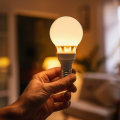
LED lighting has quickly become a preferred choice for homeowners looking to enhance both the functionality and aesthetics of their living spaces. Unlike traditional incandescent or fluorescent bulbs, LED lights are designed to provide brighter illumination while consuming significantly less energy. This shift toward energy-efficient lighting is not just a trend but a practical response to rising energy costs and increased awareness of environmental impact. Modern homeowners are recognizing that lighting is no longer just about visibility—it plays a key role in comfort, design, and long-term savings. With advancements in technology, LED lighting now offers a wide range of color temperatures and brightness levels, allowing homeowners to customize their environments to suit different moods and activities.
Energy Efficiency and Long-Term Cost Savings
One of the most compelling reasons to invest in LED lighting is its exceptional energy efficiency. LEDs use a fraction of the electricity required by traditional bulbs, which translates to noticeable reductions in monthly utility bills. Over time, these savings can add up significantly, making LEDs a cost-effective solution despite their slightly higher upfront cost. Additionally, LED bulbs have a much longer lifespan, often lasting up to 25 times longer than incandescent options. This durability reduces the need for frequent replacements, saving both time and money. For homeowners focused on sustainability, LED lighting also contributes to a lower carbon footprint, making it an environmentally responsible choice that aligns with modern values.
Enhanced Durability and Versatile Design Options
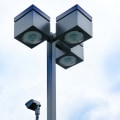
LED lighting is built to last, making it ideal for a variety of applications both indoors and outdoors. Unlike traditional bulbs that are prone to breakage, LEDs are more resistant to shocks, vibrations, and temperature fluctuations. This durability makes them particularly suitable for areas exposed to the elements, such as patios, pathways, and gardens. When planning projects like outdoor lighting installation in Austin, homeowners often choose LED solutions for their reliability and performance in diverse weather conditions. Beyond durability, LEDs offer unmatched design flexibility. From recessed lighting and under-cabinet fixtures to decorative accent lights and smart lighting systems, LEDs can be seamlessly integrated into any home design, enhancing both style and functionality.
Smart Technology Integration and Improved Control
Another advantage of LED lighting is its compatibility with smart home technology. Many LED systems can be connected to smart devices, allowing homeowners to control lighting remotely through apps or voice commands. This level of control makes it easy to adjust brightness, change color settings, and schedule lighting based on daily routines. Smart LED lighting can also improve home security by simulating occupancy when residents are away. Furthermore, motion sensors and automated controls help reduce unnecessary energy consumption, adding another layer of efficiency. These features not only enhance convenience but also elevate the overall living experience, making homes more adaptive to modern lifestyles.
A Smart Investment for Comfort and Future Value
Investing in LED lighting is ultimately a decision that benefits homeowners in multiple ways. From reducing energy costs and maintenance needs to enhancing design and comfort, LEDs offer a comprehensive solution that meets the demands of contemporary living. As more buyers prioritize energy-efficient features, homes equipped with LED lighting may also see increased market appeal and value. Whether upgrading existing fixtures or planning a new installation, LED lighting provides a forward-thinking approach that combines practicality with innovation. By making the switch, homeowners can enjoy a brighter, more efficient, and future-ready home environment.